
Activated Carbon: Properties, Uses, Applications, and Industrial Importance
Activated carbon, also known as activated charcoal, is a highly porous carbon-based material widely used for purification, filtration, and adsorption across multiple industries. Renowned for its exceptional ability to remove impurities, contaminants, odors, and toxic substances, activated carbon plays a vital role in water treatment, air purification, food processing, pharmaceuticals, and industrial manufacturing. Its effectiveness, versatility, and cost-efficiency make it an essential material in modern environmental and industrial solutions.
What Is Activated Carbon?
Activated carbon is produced from carbon-rich raw materials such as coconut shells, coal, wood, or peat through controlled activation processes. These processes create a vast network of microscopic pores, dramatically increasing the surface area of the material. A single gram of activated carbon can have a surface area exceeding 1,000 square meters, enabling powerful adsorption of organic compounds, chemicals, and pollutants.
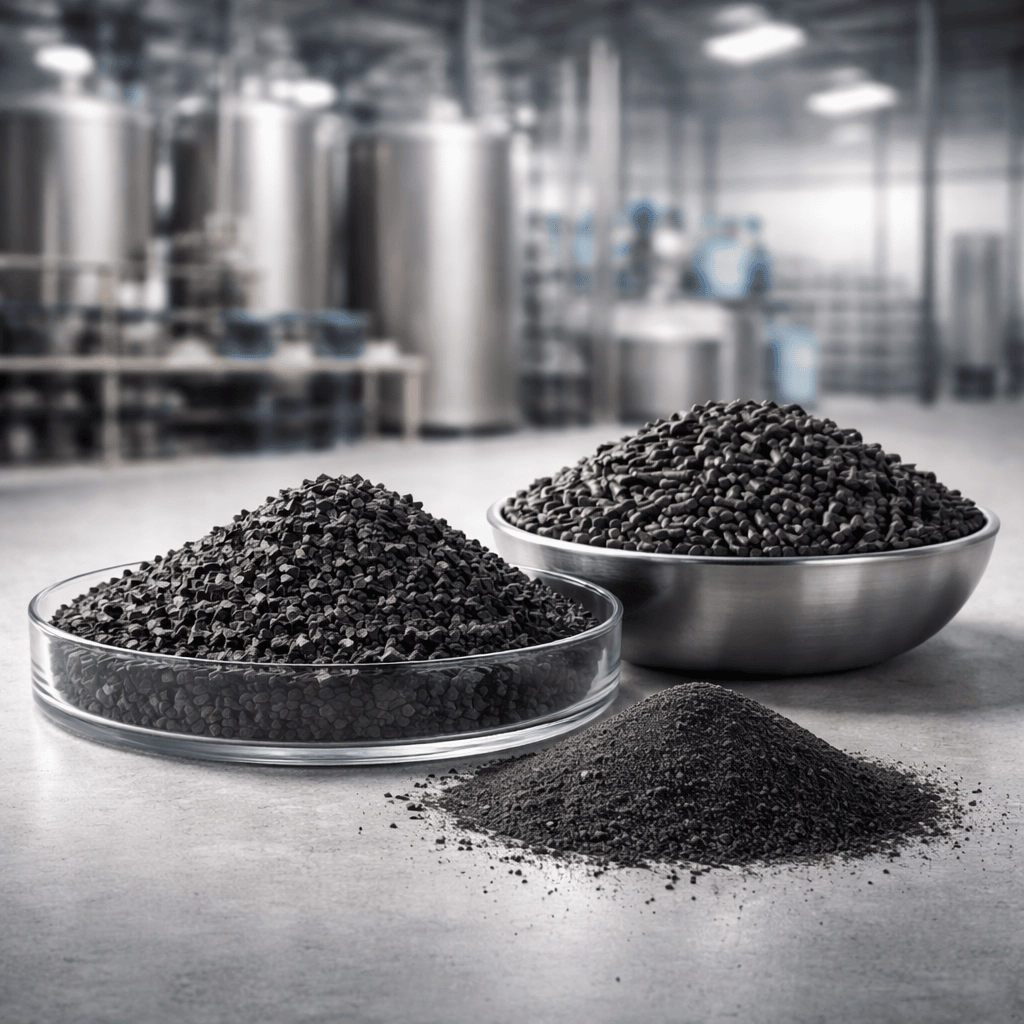
Activated carbon is commercially available in several forms, including granular activated carbon (GAC), powdered activated carbon (PAC), and pelletized or extruded activated carbon, each designed for specific applications.
Key Physical and Chemical Properties
Activated carbon possesses unique characteristics that contribute to its widespread industrial use:
-
Appearance: Black granular, powdered, or pellet form
-
Odor: Odorless
-
Surface Area: Extremely high
-
Adsorption Capacity: Excellent
-
Chemical Stability: High under normal operating conditions
-
Insolubility: Insoluble in water
These properties allow activated carbon to effectively adsorb chlorine, organic compounds, volatile organic compounds (VOCs), heavy metals, and unwanted taste or odor-causing substances.
Major Applications of Activated Carbon
1. Water Treatment and Purification
One of the largest applications of activated carbon is in water treatment. It is widely used in municipal drinking water plants, wastewater treatment facilities, and industrial water systems. Activated carbon removes chlorine, organic pollutants, pesticides, taste and odor compounds, and trace contaminants, improving water quality and safety.
Both GAC and PAC are commonly used depending on system design and treatment requirements.
2. Air Purification and Gas Treatment
Activated carbon is extensively used in air filtration systems to remove odors, toxic gases, and VOCs. It is applied in industrial exhaust treatment, indoor air purification, HVAC systems, and protective respirators. Specialized activated carbons are also used for gas separation and solvent recovery processes.
3. Food and Beverage Industry
In the food and beverage sector, activated carbon is used for decolorization, purification, and deodorization. It plays a key role in sugar refining, edible oil processing, beverage clarification, and removal of impurities from food-grade liquids. Food-grade activated carbon complies with strict safety and quality standards.
4. Pharmaceutical and Medical Applications
Activated carbon is used in pharmaceuticals as a purification agent and in medical applications for toxin adsorption. It is commonly employed in drug manufacturing processes, medical detoxification, and emergency treatment for certain types of poisoning under professional supervision.
5. Chemical and Industrial Processing
In chemical manufacturing, activated carbon is used for catalyst support, solvent recovery, purification of chemicals, and removal of unwanted by-products. It is also used in gold recovery, electroplating, and petrochemical processing due to its strong adsorption capacity and durability.
Forms and Packaging of Activated Carbon
Activated carbon is supplied in different physical forms to suit various applications:
-
Powdered Activated Carbon (PAC): Fine powder for batch treatment
-
Granular Activated Carbon (GAC): Granules for fixed-bed filters
-
Pelletized Activated Carbon: Uniform pellets for gas-phase applications
Typical packaging includes 25 kg bags, 500 kg or 1-ton jumbo bags, and bulk shipments. Export-grade packaging with palletization is standard for international supply.
Handling, Storage, and Safety
Activated carbon is stable and safe when handled correctly. It should be stored in a dry, well-ventilated area away from moisture and strong oxidizing agents. Fine powdered carbon may generate dust, so appropriate dust control and protective equipment are recommended during handling.
Used activated carbon must be disposed of or regenerated according to environmental regulations, depending on the contaminants adsorbed.
Global Market Demand and Outlook
The global demand for activated carbon continues to grow due to increasing environmental regulations, expansion of water and wastewater treatment infrastructure, and rising awareness of air and water quality. Rapid industrialization and urbanization in emerging markets further drive consumption.
Activated carbon remains a key material supporting sustainability, environmental protection, and industrial efficiency worldwide.
Conclusion
Activated carbon is a highly effective and versatile adsorbent material essential to water treatment, air purification, food processing, pharmaceuticals, and industrial manufacturing. Its high surface area, strong adsorption capacity, and broad applicability make it indispensable in modern purification and environmental management systems.
For industries seeking reliable purification performance and compliance with environmental standards, activated carbon continues to be a trusted and globally demanded solution.
There are no reviews yet.