
Sodium Silicate: Properties, Uses, Applications, and Industrial Importance
Sodium Silicate, commonly known as water glass, is a versatile inorganic compound widely used across industrial, construction, detergent, paper, textile, and water treatment sectors. With the general chemical formula Na₂SiO₃ (or Na₂O·nSiO₂), sodium silicate is valued for its binding strength, alkalinity, chemical stability, and cost-effectiveness. Due to its broad functionality and reliable performance, sodium silicate remains an essential raw material in global industrial supply chains.
What Is Sodium Silicate?
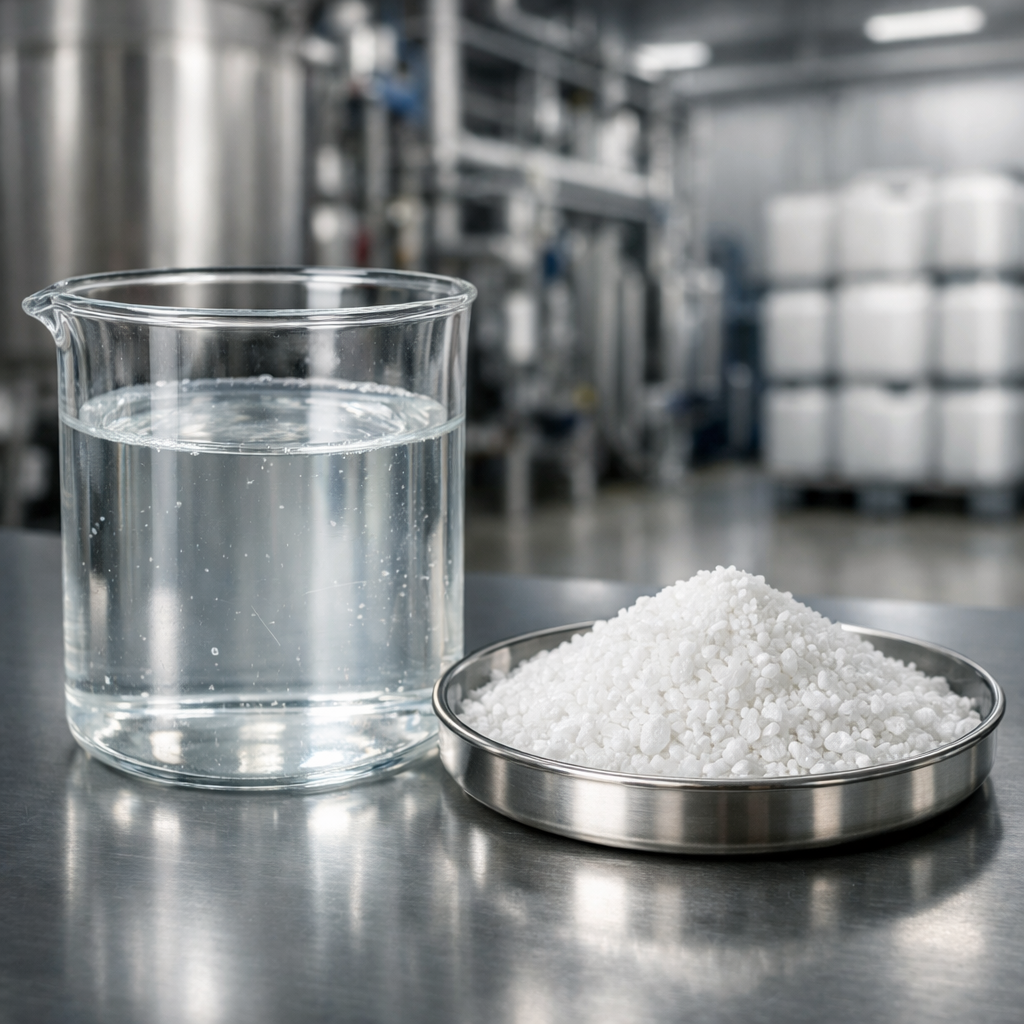
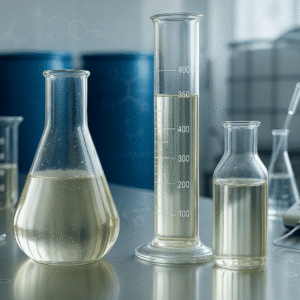
Sodium silicate is an alkaline compound produced by fusing silica (sand) with sodium carbonate at high temperatures. It is commercially available in liquid (solution) and solid (powder or granular) forms, allowing flexibility for different industrial applications. Liquid sodium silicate appears as a clear to slightly hazy, viscous solution, while solid sodium silicate is supplied as white to off-white granules or powder.
Its unique combination of adhesive, sealing, buffering, and corrosion-inhibiting properties makes it suitable for a wide range of technical and industrial uses.
Key Physical and Chemical Properties
Sodium silicate exhibits several important characteristics that contribute to its industrial value:
-
Appearance: Clear liquid or white solid granules/powder
-
Odor: Odorless
-
Solubility: Highly soluble in water
-
pH: Strongly alkaline
-
Chemical Stability: Excellent under normal storage conditions
-
Binding Strength: High adhesion and film-forming ability
These properties allow sodium silicate to function effectively as a binder, deflocculant, adhesive, and protective agent in numerous formulations.
Major Applications of Sodium Silicate
1. Detergents and Cleaning Products
One of the largest uses of sodium silicate is in the detergent and cleaning industry. It acts as a builder and alkalinity source, helping to remove grease, oils, and stains. Sodium silicate also provides corrosion protection for washing machine components and enhances detergent stability during storage.
2. Construction and Cement Industry
In construction, sodium silicate is used as a cement binder, concrete hardener, and sealant. It improves surface strength, reduces dusting, and increases resistance to moisture and chemical penetration. Sodium silicate is commonly applied in concrete floor treatments, refractory materials, and fire-resistant coatings.
3. Paper and Pulp Manufacturing
The paper industry uses sodium silicate as a buffering agent, adhesive, and dispersant. It helps stabilize hydrogen peroxide bleaching processes, improves paper strength, and enhances surface quality. Its compatibility with alkaline systems makes it particularly valuable in modern paper production.
4. Textile Processing
In textile manufacturing, sodium silicate is used in dyeing and printing processes as a fixing agent for reactive dyes. It improves color yield, uniformity, and wash fastness, especially in cotton and cellulose-based fabrics.
5. Water Treatment and Environmental Applications
Sodium silicate plays an important role in water treatment systems. It is used as a corrosion inhibitor in drinking water pipelines, helping reduce metal leaching from pipes. It also functions as a dispersant and stabilizer in wastewater treatment and industrial water circuits.
6. Chemical and Industrial Manufacturing
In chemical manufacturing, sodium silicate serves as a raw material and intermediate for producing silica gel, precipitated silica, catalysts, and specialty silicates. It is also used in foundries as a binder for sand molds and cores, offering excellent strength and heat resistance.
Packaging and Supply Formats
Sodium silicate is supplied in various packaging formats depending on its physical form and customer requirements. Liquid sodium silicate is commonly packed in IBC tanks, HDPE drums, or bulk tankers, while solid sodium silicate is supplied in 25 kg bags, 50 kg bags, or jumbo bags.
For international trade, export-grade packaging, palletized loading, and proper documentation such as COA, MSDS, and technical data sheets are typically provided to meet regulatory and customer requirements.
Handling, Storage, and Safety
Sodium silicate is strongly alkaline and should be handled with appropriate care. Protective equipment such as gloves and eye protection is recommended during handling. Spills should be cleaned promptly with water to prevent slippery surfaces.
Storage should be in a cool, dry, and well-ventilated area, using compatible containers resistant to alkaline materials. When handled correctly, sodium silicate is safe and stable for long-term industrial use.
Global Market Demand and Outlook
Global demand for sodium silicate continues to grow, driven by expanding construction activities, detergent production, water treatment projects, and industrial manufacturing. Emerging economies are experiencing increased consumption due to infrastructure development and industrialization.
Its versatility, affordability, and proven performance ensure that sodium silicate remains a key chemical commodity in international markets.
Conclusion
Sodium silicate is a highly versatile and reliable industrial chemical with applications spanning detergents, construction, paper, textiles, water treatment, and chemical manufacturing. Its strong binding properties, alkalinity, and stability make it indispensable across multiple industries.
For manufacturers, contractors, and industrial buyers seeking a cost-effective and multifunctional solution, sodium silicate continues to be a trusted choice in global chemical supply chains.
There are no reviews yet.